
Veneers vs Other Options: Vancouver Smile Guide
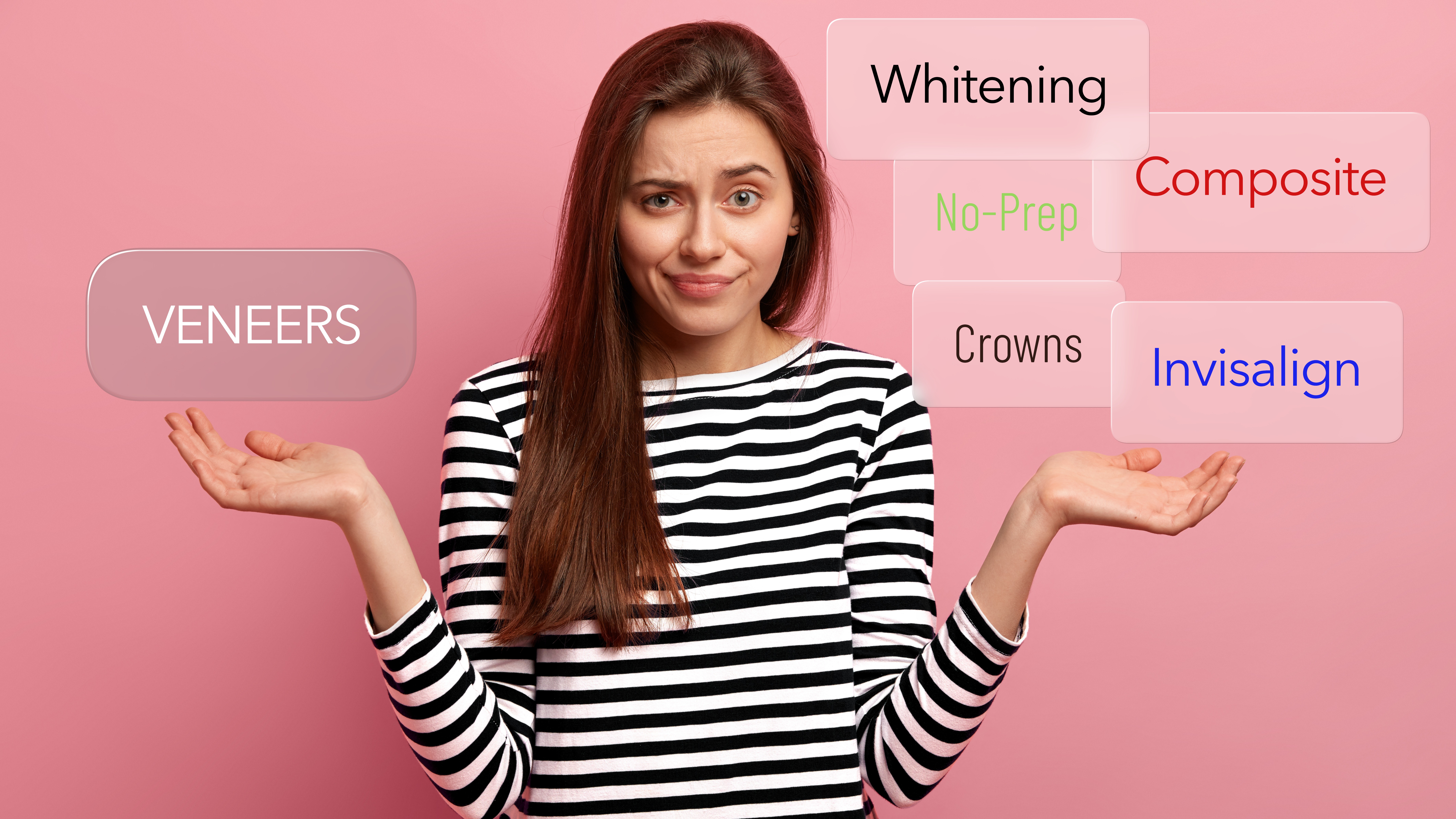
If you live in Vancouver, you’ve probably seen how much people value a healthy, confident smile. Still, deciding which cosmetic or restorative treatment is right for you can feel confusing. Many patients compare veneers with other popular options before choosing what fits their needs best. This guide summarizes the key differences based on dental literature, clinical standards in BC, and real-world patient trends.1) Veneers vs Whitening
When Color Isn’t the Whole Story
Whitening is often the first treatment people consider when they want brighter teeth. According to the Canadian Dental Association (CDA), whitening works well for surface stains caused by coffee, tea, red wine, and everyday pigments. However, whitening does not correct:✅ uneven tooth edges
✅ minor rotations
✅internal (intrinsic) stains
✅enamel defects
If your smile needs improvement in color and shape or symmetry, veneers offer a more comprehensive result.2) Veneers vs Composite Bonding
Affordability vs Longevity
Composite bonding is great for quick fixes, However, dental materials research consistently shows that composite resin is more porous and therefore:✅stains faster
✅wears more quickly
✅requires more maintenance over time
Veneers provide greater stability, predictable color retention, and superior durability. Bonding suits small repairs; veneers are better for long-term cosmetic enhancement.3) Veneers vs Invisalign
Straightening vs Surface Aesthetics
When alignment or bite is the main issue, Invisalign is typically recommended. It can reposition teeth without altering their natural structure. Veneers, meanwhile, refine:✅shape
✅symmetry
✅texture
✅shade
They do not replace orthodontics when functional alignment is required. In many cases, a combined approach—Invisalign followed by veneers—creates the most balanced result. The American Academy of Cosmetic Dentistry (AACD) also supports this two-step approach for balanced results.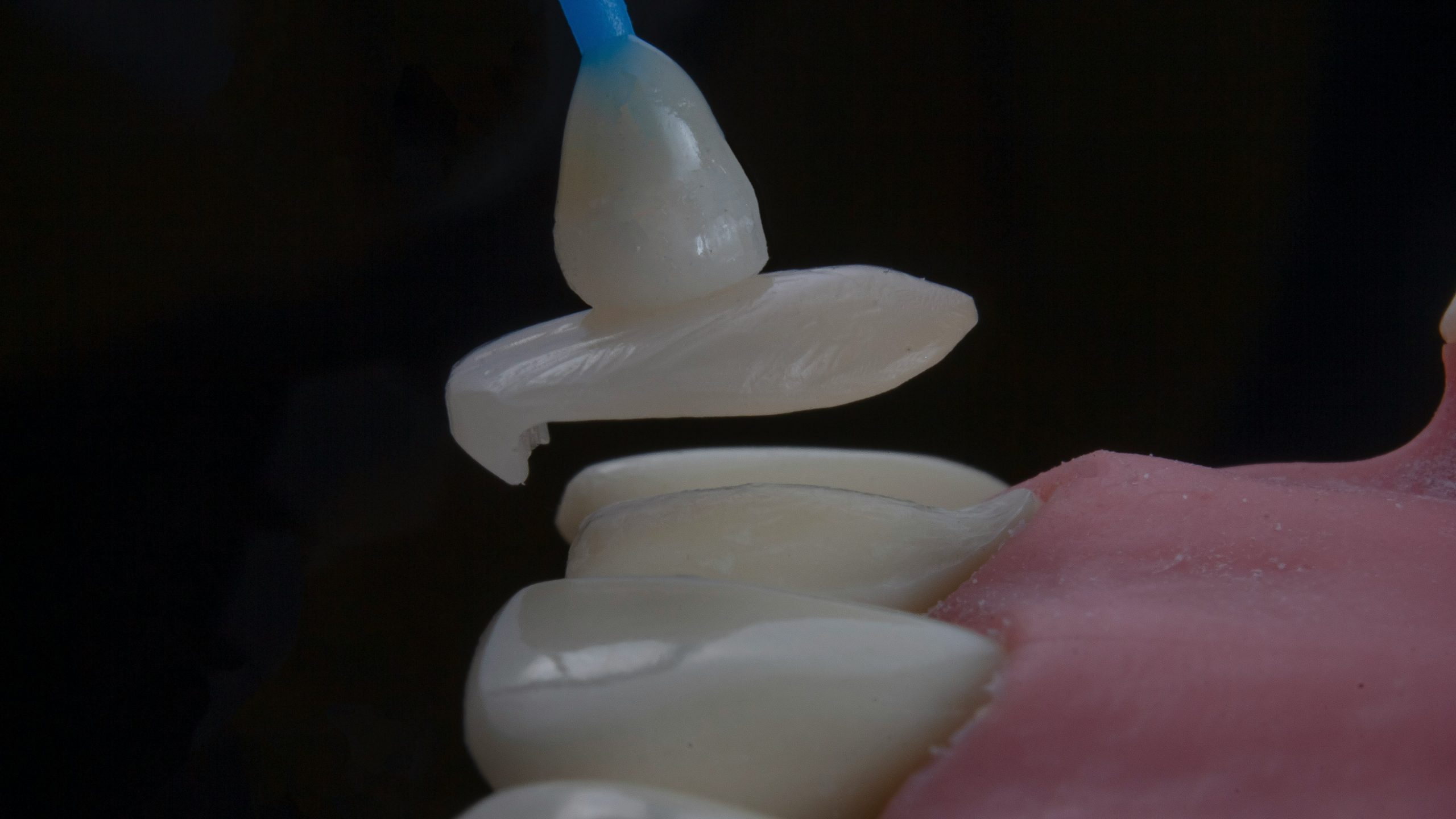
4) Veneers vs Crowns
Cosmetic Elegance vs Structural Support
A crown is necessary when the tooth is weakened or structurally compromised. According to the BCCOHP (British Columbia College of Oral Health Professionals) clinical standards, crowns are indicated for:✅fractured teeth
✅large failing restorations
✅root canal–treated teeth
✅significant enamel loss
Veneers require a strong underlying tooth and are primarily cosmetic. If reinforcement is needed, a crown is the safer long-term option.5) Veneers vs No-Prep Veneers
Tooth Preservation vs Precision Fit
“No-prep” veneers involve little or no enamel removal, making them appealing — but only certain cases are suitable. Multiple esthetic dentistry studies (see Journal of Esthetic and Restorative Dentistry) show that minimal-prep veneers often achieve:✅better facial contour
✅more predictable shade control
✅improved natural integration
✅long-term stability
The best choice depends on the individual’s enamel thickness, tooth position, occlusion, and smile line.Clear Choices Come From Clear Information
Most people gain clarity after a dental exam, a digital scan, or a smile preview. The right treatment should:✅preserve tooth structure
✅be minimally invasive
✅provide predictable long-term results
This aligns with the principles emphasized in evidence-based dentistry and BC’s clinical standards.
Written by: MOJTABA, Dental Lab SpecialistVeneers vs Other Options
Not always. Whitening is ideal for surface stains, while veneers are better when both color and tooth shape need improvement. Whitening cannot fix internal stains, chips, or uneven edges.
Bonding is budget-friendly and good for small repairs, but it stains and wears faster. Veneers last longer, hold their color better, and offer a more durable cosmetic result.
If the main problem is tooth alignment or bite, Invisalign is the better option. Veneers improve shape, texture, and shade but do not replace orthodontics. Many patients use both treatments together.
Crowns are used when a tooth is weak, fractured, heavily restored, or root-canal treated. Veneers are cosmetic and require a strong tooth underneath. If reinforcement is needed, crowns are more appropriate.
Only in select cases. No-prep veneers preserve enamel but often limit control over contour and shade. Minimal-prep veneers usually offer a more accurate and natural result.
A dental exam, digital scan, and smile assessment help determine whether whitening, bonding, Invisalign, crowns, or veneers best match your goals, enamel condition, and long-term expectations.